How to choose the thickness of a metal profile based on the application – technical guide for metal structures

When you start a project, choosing the thickness of a metal profile influences the stability of the entire structure over the long term. The primary responsibility belongs to the structural engineer (resistance engineer).
He determines the thickness based on several factors: structural calculation, norms and standards, loads, the material used, and operating conditions.
Choosing a thinner profile to reduce costs may seem advantageous, but it can create structural problems.
Profiles that are too thin can bend or vibrate under the applied weight, affecting the project’s lifespan and user safety.
In contrast, profiles that are too thick unnecessarily increase costs and make handling, transport, or assembly on-site very difficult.
The correct decision is always based on the role of the profile, its length, the fastening method, and the chosen environment of use. Understanding these simple factors helps in making a rational choice of thickness for each concrete application in the project.
The role of each metal profile in the project structure
The first step in choosing the thickness for any metal profile is establishing the role of each element in the structure.
Main profiles support heavy weights and require thicknesses calculated according to safety norms and the officially approved technical project.
Secondary or stiffening ones do not support major loads and can have a smaller thickness without risks.
An incorrectly chosen thickness can lead to vibrations, deformations, or instability, affecting the entire project over the very long term. Main profiles must support both their own weight and the forces pressing on them (snow or wind).
These should not require additional interventions over time. Understanding the role of each metal profile helps in choosing the right thickness, avoiding material waste and extra costs.
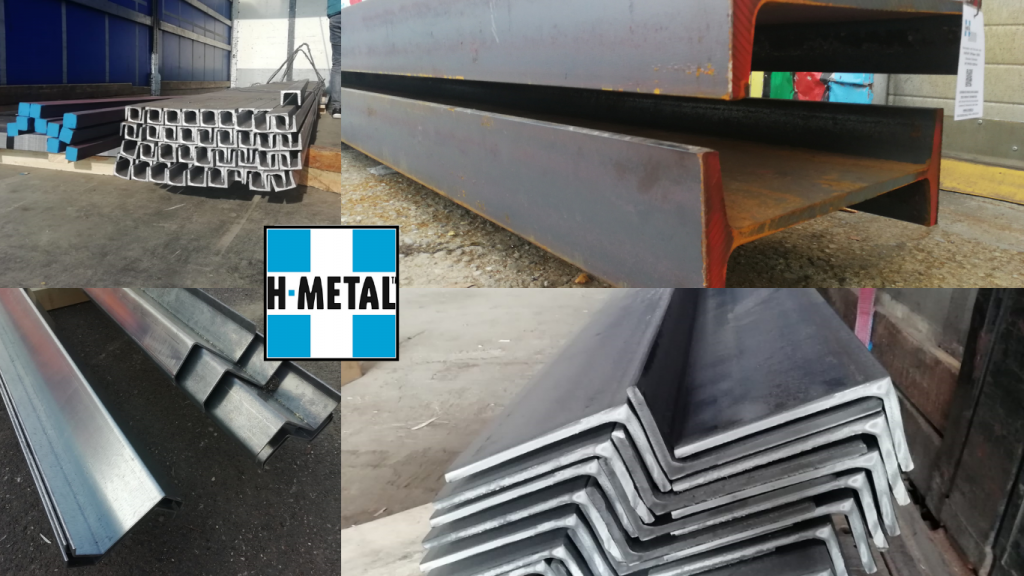
The difference between a structural profile and an auxiliary one
Structural profiles support the main weight of the construction and include beams, columns, or metal frames important for the resistance of the entire structure.
Their thickness is established through technical calculations performed by authorized designers and strictly verified for the safety of the entire assembly.
Auxiliary profiles are used for frames, supports, or secondary fastening elements within a complex metal structure.
Even if they do not support large loads, an auxiliary profile must be rigid enough for the stability of that specific element.
An auxiliary profile that is too thin can cause vibrations, deformations, or problems during the assembly of the main elements of the structure.
The correct choice takes into account the destination of the profile and how it is actually used on-site.
Examples
Frames for light fences or panel supports have lower requirements for strength and stability.
Auxiliary profiles for shelves or small supports can have smaller thicknesses but must remain rigid.
Profile length and its impact on thickness
Choosing the correct thickness prevents material deformation and ensures trouble-free operation for many years.
The longer a metal profile is, the thicker it must be to remain stable under weight.
A short bar can remain rigid if it is correctly dimensioned for the respective application, even if the wall is thin.
In contrast, a long bar can bend or vibrate under load if the thickness does not correspond to the length and the applied weight.
Columns for fences or other structures exposed to wind must have greater thicknesses to remain stable.
The longer the profile, the more the risk of bending under its own weight increases significantly over time.
Choosing the correct thickness must take into account the actual length and the support method of the metal profile.
Fastening method and the rigidity of the metal structure
The type of fastening of a metal profile influences how forces are distributed and the total rigidity of the structure on-site.
A profile welded at the ends is much more rigid than one fixed only with screws or clamps.
A correct fastening can allow the use of a thinner profile, maintaining the stability of the structure at lower costs.
The thickness of the profile must be chosen according to the fixing method and the conditions of use.
Welding vs. mechanical fastening
Welding ensures maximum rigidity, but the thickness of the metal profile must be verified for all loads.
Fixing with screws allows for easy adjustments, but the profile must be thick enough not to deform.
Fastening systems or joints are suitable for light elements but decrease the rigidity of the entire metal structure.

The environment of use and the chosen thickness of a metal profile
The environment in which a metal profile is used directly influences the choice of material thickness to prevent corrosion over time. Profiles exposed to rain, wind, or humidity degrade through corrosion and gradually thin out over the years of use.
Oxidation and temperature variations affect the resistance and lifespan of metal elements mounted outdoors.

A profile used outdoors must have greater thicknesses to ensure the safety of the structure. Profiles used indoors or in protected environments do not require additional thicknesses; they are more resistant and safe to use.
Choosing the right thickness for the environment in which the profile is used protects the structure and prevents costly repairs.
Handling and assembly of the metal profile – practical aspects for the site
Very thick profiles are heavy and require machinery to be transported and correctly positioned on-site.
Thin elements can easily deform during handling or assembly, even when they appear solid.
Correct handling and choosing the right thickness prevent material damage and assembly problems.
Profiles must be easy to transport and position without affecting the final metal structure.
Using appropriate equipment for heavy profiles prevents accidents and unwanted deformations during assembly.
Te Correct measurement and verification of thickness before assembly reduce the risk of errors and future problems of the construction.
The final choice of thickness for a metal profile
Choosing the thickness for a metal profile must be done correctly, taking into account the conditions of use.
The decision depends on the weight of the load, the length of the element, the fastening method, and the site conditions.
A suitable thickness ensures stability and durability, without problems or deformations during use.
An incorrect choice of thickness can cause problems after assembly and require additional interventions.
Support offered by specialists and suppliers helps in choosing the right profile for each metal application, ensuring safe and efficient results.
Thus, choosing the thickness becomes simple, rational, and efficient for any metal project.
Contact for technical support and metal profiles
Our experience in trading metallurgical products can help you make the right decisions for metal constructions.
Thus, your project will be realized according to the plans, without unforeseen problems.
If you need information about metal profiles or available stocks, you can contact us directly for any details.
The H Metal team offers details about dimensions, available thicknesses, and delivery terms for your project.
For a concrete offer, contact us at office@h-metal.ro or on WhatsApp at 0749249007.

 English
  Română
  Français
  Magyar